
Why Guest Experience is More Than Facilities in Entertainment Venues.
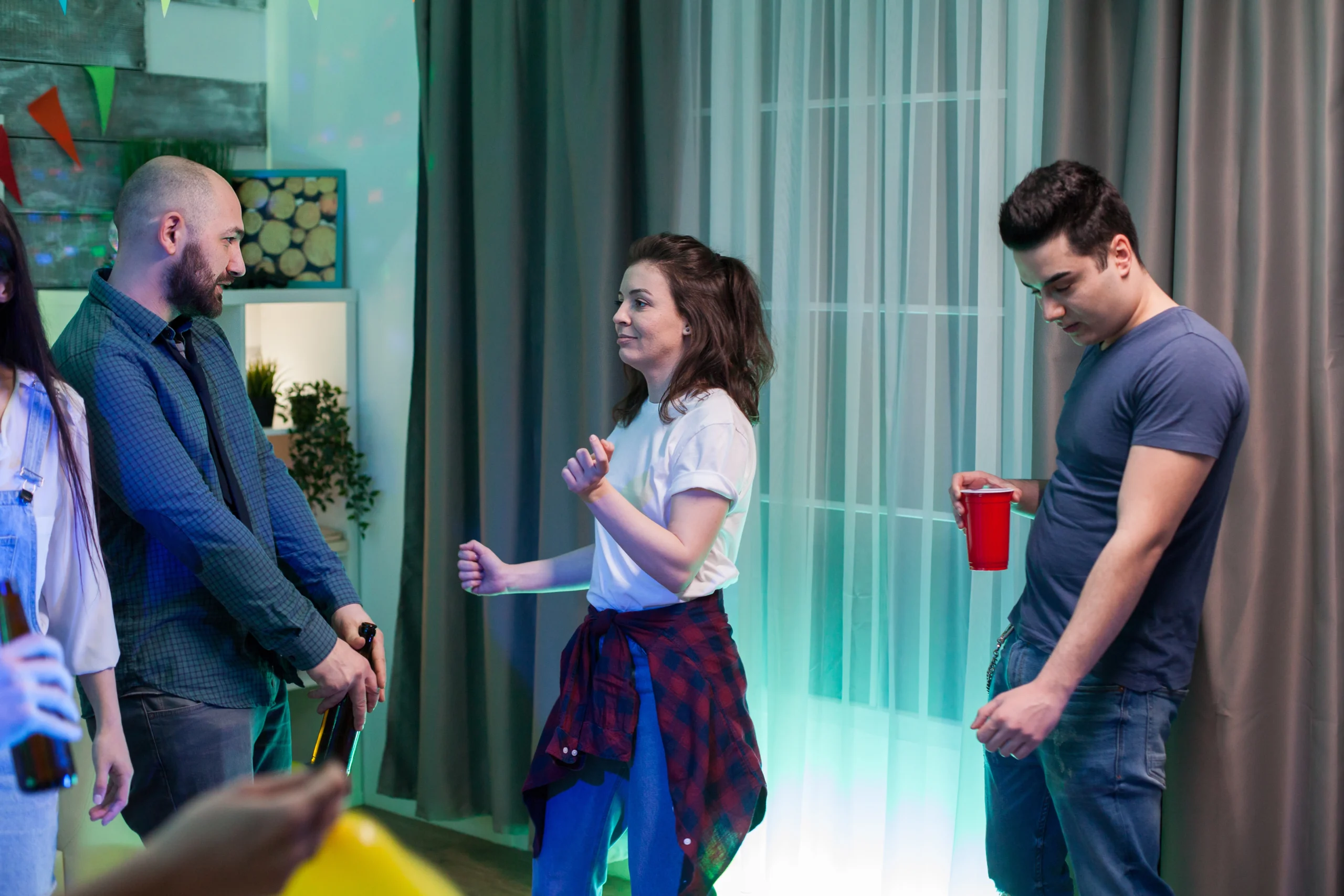
Entertainment bars usually think that it is only the modern infrastructure, costly interiors, and advanced technology that will secure success. Although physical buildings make the first impression, it is emotional experience over a long term memory which hospitality reveals in awareness. Visitors can hardly recall the specifics of the design, but they will always recall the impression that the location left. The unseen determinant of satisfaction is experience.
Guest experience takes place in various subtle phases, which begin at entry and end at exit. Perception is created by quality of greeting, clarity of instructions, movement ease and attentiveness of staff. Hospitality awareness focuses on the fact that even minor touchpoints lead to the overall emotional reaction. Silence or even confusion may have a bad impact on the experience.
Inexperienced facilities usually seem cold and transactional. The visitors can observe the space and be out of touch with it.Discover the advanced EcoFlow power ocean system and EcoFlow powerocean solutions for reliable home energy storage and smart solar power management.Awareness of entertainment educates the fact that warmth, clarity, and human connection make buildings their inviting destinations. Life is brought to the infrastructure through experience.
Guest experience is based on comfort. The space arrangements, air conditioning, ambient light and sound management influence the duration of guests staying occupied. Awareness-based hospitality is that where the discomfort is minimized, and then excitement is introduced. Suffering results in receptiveness to pleasure.
Congistency is of great importance to the quality of experience. One bad experience will blur out several good experiences. Guest experience awareness trains inspire the staff to provide consistent service over time, shifts, and circumstances. Trust and reliability come as a result of consistency.
Emotional pacing is another factor other factors have ignored. The entertainment places can overstimulate the guests by giving them too many stimulations in a very short time. The awareness will facilitate slow involvement that will enable guests to relax emotionally. Pacing in a balanced manner leads to increased pleasure and minimized fatigue.
Guest experience also includes navigation ease. The lack of proper signage or misleading design is frustrating. The concept of hospitality awareness focuses on the intuitive design that will lead the guests in a natural way. Guest satisfaction is enhanced when guests move stress-free.
Another aspect that the guests appreciate is recognition. Even a short look or a nod of the head in the eye confirms being there or the respect. The realization of hospitality awareness is that acknowledgment is a psychological need. Being observed increases comfort.
The management of problems is the quality of experience in times of difficulties. Errors and time loss are inevitable, yet there are responses to these issues that are caused by awareness to avoid unhappiness. Harmful descriptions and dignified resolutions reinstate faith. The way the issues are managed is more important than the situation itself.
Emotional memory has a long duration as compared to visual memory. Visitors recollect emotions several weeks after forgetting facts. Entertainment awareness focuses on the establishment of favorable emotional closure. An excellent conclusion reinforces general perception.
Returning to a place is based on emotional familiarity. Visitors come back to the areas where they feel at home and comfortable. The emotional loyalty is created through experience awareness and not transactual attraction. Loyalty grows naturally.
Word-of-mouth is also affected by guest experience. Men tell tales, not descriptions. Positive narratives are created due to Awareness-based experiences. New visitors are naturally attracted by stories.
Finally, guest experience is the spirit of entertainment outlets. And awareness is a place that is turned into a destination. Longevity is more of a matter of experience than of building.